Where Do the Best Food Tracker Strategies Come From? Essential Insights for 2026
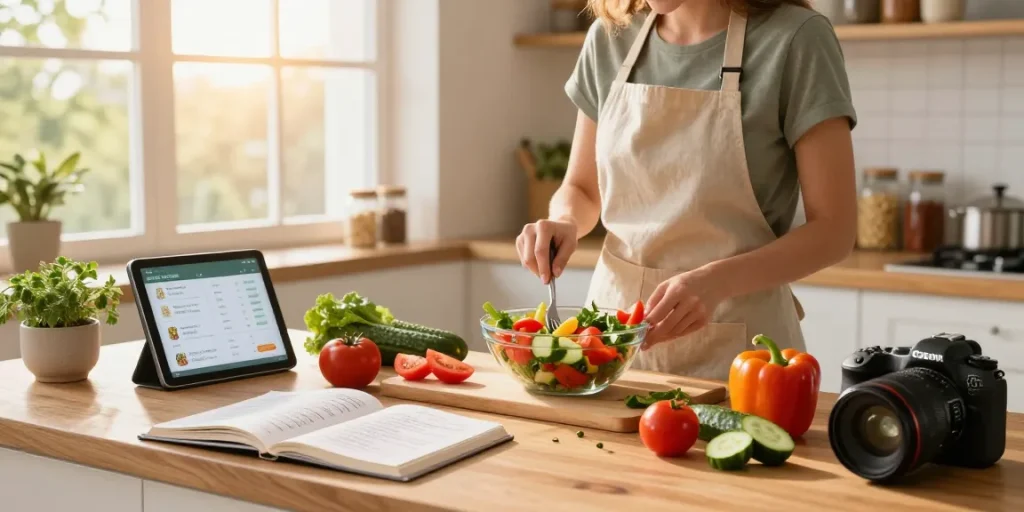
Understanding Food Tracking Apps
In today’s health-conscious society, food tracking apps have emerged as powerful tools that help individuals monitor their dietary habits, making informed choices to achieve their nutritional goals. With a plethora of options available on the market, determining which app suits your needs can be daunting. This article delves into the world of food tracking apps, examining their benefits, evaluating the leading contenders of 2026, and guiding you through the selection process to find the best food tracker for your lifestyle.
What is a Food Tracker?
A food tracker is a digital application designed to help users monitor their food intake by logging meals, snacks, and beverages consumed throughout the day. These apps offer various features, including calorie counting, nutrient analysis, and meal planning assistance. By inputting food items, users receive feedback on their dietary habits, which can be instrumental in achieving specific health objectives such as weight loss, muscle gain, or general wellness.
Benefits of Using Food Tracking Apps
- Awareness: Food tracking apps foster awareness of daily food consumption, highlighting areas where individuals may overindulge or neglect essential nutrients.
- Goal Setting: Most apps allow users to set specific dietary goals, making it easier to align eating habits with personal health targets.
- Motivation: Tracking progress can serve as a motivational tool, with many apps providing graphical representations of caloric intake versus expenditure.
- Community Support: Many food tracking applications include social features that connect users with like-minded individuals, fostering a sense of community and accountability.
How Food Tracking Affects Nutrition Goals
The impact of food tracking on nutrition is profound. By documenting their meals, users can identify patterns in their eating habits, allowing them to make informed adjustments to their diets. For instance, someone aiming to reduce sugar intake might use a tracking app to pinpoint sources of added sugars in their meals. Furthermore, food tracking has been linked to successful weight loss outcomes, as it encourages mindful eating and helps users identify calorically dense foods that may be hindering progress.
Evaluating the Best Food Tracker
Not all food tracking apps are created equal. Evaluating which app offers the best features and usability involves considering several critical criteria. We assess these aspects through thorough testing and user feedback, ensuring our rankings reflect the most effective options available.
Criteria for Ranking Food Tracking Apps
To develop a comprehensive ranking of food tracking applications, we focus on a range of criteria, including:
- Accuracy: The precision of calorie counts and nutritional information.
- User Interface: The app’s design and ease of use.
- Database Quality: The richness and reliability of the food database.
- Customization: The ability for users to personalize their goals and dietary preferences.
- Support Features: Additional coaching tools, community engagement, and educational resources.
Common Features of Top Food Trackers
Leading food tracking apps generally share several essential features:
- Barcode Scanning: Quickly log pre-packaged foods by scanning their barcodes.
- Recipe Integration: Log homemade meals by entering recipes and automatically calculating nutritional values.
- Exercise Tracking: Monitor physical activity and its impact on caloric expenditure.
- Data Visualization: Provide graphical insights into eating habits over time.
- Goal Setting: Enable users to set and adjust their dietary objectives as needed.
User Reviews and Experience
User feedback is crucial in evaluating food tracking apps. Insights gathered from reviews discussing usability, effectiveness, and overall satisfaction can steer potential users in the right direction. By analyzing ratings across various platforms, we can discern which apps consistently meet user expectations and provide valuable features that enhance the tracking experience.
Deep Dive into 2026’s Top Food Trackers
In 2026, three standout food tracking apps dominate the landscape: Welling, Cronometer, and MacroFactor. Each of these applications has been rigorously tested across various segments to determine their strengths and weaknesses.
Overview of Welling, Cronometer, and MacroFactor
Welling offers a unique combination of AI-driven insights and user-friendly design, making it suitable for both novices and seasoned users. Cronometer is renowned for its meticulous database, emphasizing micronutrient tracking alongside macronutrients, which is invaluable for individuals seeking in-depth nutritional analysis. Lastly, MacroFactor serves as an adaptive coaching tool that personalizes macronutrient targets based on real-time data and user progress.
Segment-by-Segment Breakdown
To ensure a thorough analysis, we assess each app across eleven distinct segments, including:
- Accuracy of food logging
- User Interface and experience
- Database quality and size
- Integration of community and social features
- Support for activity tracking
Results from our evaluations provide users with a clear picture of which app excels in each category, allowing them to make an informed choice based on their unique needs.
Comparative Analysis of Features
When comparing features, Welling excels in design and user interactivity, while Cronometer outshines in nutritional depth and accuracy. MacroFactor is tailored for users seeking a personalized coaching approach, making it stand out for those focused on long-term dietary strategies. This comparative analysis helps potential users determine which app aligns with their specific dietary objectives.
Choosing the Right App for Your Needs
Selecting the right food tracking app is not a one-size-fits-all process. It requires an understanding of your individual goals and preferences. Here, we outline the critical considerations to help guide your decision.
Seven Key Questions to Ask
- What are my primary nutrition goals?
- How often will I be using the app?
- Do I prefer manual logging or automated features?
- What type of support do I need for meal planning?
- How important is community engagement for my journey?
- How detailed do I want my nutritional analysis?
- What is my budget for a food tracking app?
Assessing Your Dietary Goals
Your specific dietary objectives—be it weight loss, muscle gain, or improved overall health—should heavily influence your app choice. Apps like Cronometer may appeal to those focused on detailed nutrient tracking, whereas Welling might be better suited for users favoring a more holistic approach.
Understanding Individual Preferences and Habits
Consider your food habits and preferences as well. Are you someone who enjoys cooking, or do you rely on convenience foods? Your response will impact the functionality you require from a food tracking app, such as recipe inputs or a vast database for restaurant foods.
Future Trends in Food Tracking Technology
The landscape of food tracking apps is continuously evolving, propelled by advances in technology and changing consumer preferences. Here are some trends to watch in the coming years.
AI Innovations in Nutrition Tracking
Artificial Intelligence is set to transform food tracking further, enhancing ease of use and accuracy. Future apps may incorporate AI-powered features that suggest meals based on individual preferences, dietary restrictions, and nutritional needs, minimizing the workload on users.
Potential Quality Improvements in Food Databases
With the growing focus on health and wellness, we expect to see improvements in the quality of data provided by food tracking apps. Applications will likely prioritize verified entries in their databases, ensuring that users receive accurate nutritional information over sheer quantity.
Personalization and User Engagement Strategies
As competition among food tracking apps intensifies, personalization will become a key differentiator. Developers are likely to enhance user engagement through tailored recommendations and gamification elements, making the tracking process more enjoyable and effective.
What is the Most Accurate Food Tracker?
Determining the most accurate food tracker involves assessing how the app sources and verifies its nutritional data. Apps such as Cronometer are frequently mentioned for their stringent quality control, making them a go-to choice for users prioritizing precision.
Do Food Tracking Apps Help with Weight Loss?
Research indicates that food tracking can significantly assist in weight loss, particularly when users remain consistent and informed about their choices. As detailed analytics become more accessible, users can adapt their diets based on real-time feedback, increasing their chances of success.
How Important is Database Quality Over Quantity?
While a large food database might seem appealing, the accuracy and reliability of entries are far more critical. Users should look for apps that focus on qualitative verification, ensuring they have access to trustworthy nutritional data.